
Travel Information for Bhutan
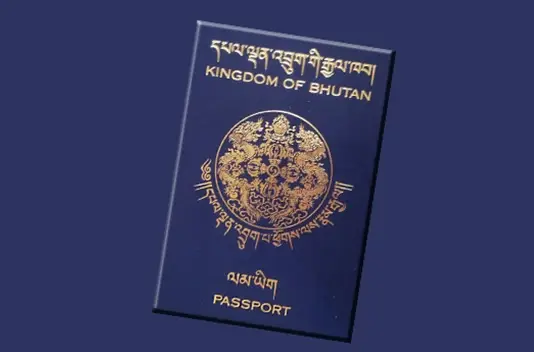
Visa & SDF Information for Travelers to Bhutan
Planning a trip to Bhutan? Here is clear and updated traveler information about Visa requirements and the Sustainable Development Fee (SDF).
All international tourists (except citizens of India, Bangladesh, and Maldives) require a visa to enter Bhutan.
✅ How to Apply
The actual visa is stamped in your passport upon arrival at Paro International Airport or at designated land border points.
Visas are processed online through a licensed Bhutanese tour operator or via the official Bhutan e-visa system.
You must pay the SDF before your visa is approved.
Read moreDocuments Required
- Passport valid for at least 6 months
- Digital passport-size photo
- Travel insurance (recommended)
- Confirmed travel itinerary
💳 Visa Fee
- A non-refundable visa application fee of USD 40 applies per person.
💚 Sustainable Development Fee (SDF)
Bhutan follows a “High Value, Low Volume” tourism policy to preserve its culture and environment.
💵 Current SDF Rates
- USD 100 per person per night (for most international tourists)
- Children:
- 6–12 years: 50% discount
- Under 6 years: No SDF
(Rates may change as per Royal Government policy.)
information For Indian Nationals
- Indian tourists do not require a visa.
- SDF applies at a concessional rate (subject to government regulations).
- Entry permit required (processed online or at the border).
🌱 What Does the SDF Support?
The SDF contributes to:
- Free healthcare and education for Bhutanese citizens
- Environmental conservation
- Cultural preservation
- Infrastructure development
- Carbon-neutral tourism initiatives
Best time to visit
The best time to visit Bhutan is during spring (March to May) and autumn (September to November).
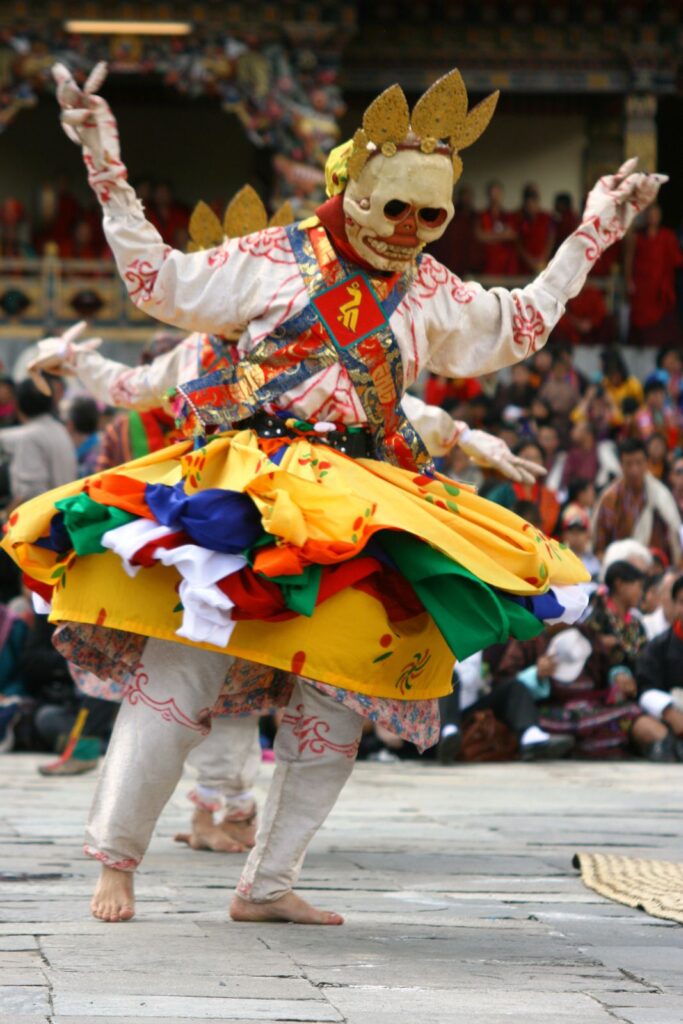
In spring, the valleys bloom with colorful rhododendrons and jacaranda flowers, the weather is mild and pleasant, and popular festivals like the Paro Tshechu take place. It’s an ideal season for sightseeing, photography, and light trekking.
In autumn, Bhutan enjoys clear blue skies, fresh mountain air, and spectacular Himalayan views. Major cultural festivals such as the Thimphu Tshechu are celebrated during this time, making it perfect for both trekking and cultural experiences.
Both seasons offer comfortable weather, vibrant cultural events, and breathtaking landscapes—making them the most recommended times to explore Bhutan.
What to Pack
Packing for Bhutan depends on the season and activities, but layering is key due to changing mountain weather.
👕 Clothing
- Light layers (t-shirts, long sleeves)
- Warm jacket or fleece (especially for spring & autumn)
- Comfortable walking or trekking shoes
- Modest clothing for temple and dzong visits (long sleeves, long pants)
🧢 Essentials
- Sunglasses & sunscreen (high altitude sun)
- Hat and light gloves (cool mornings/evenings)
- Reusable water bottle
- Small daypack for hikes (e.g., to Paro Taktsang)
📄 Travel Items
- Passport (valid 6+ months)
- Travel insurance documents
- Personal medications
Packing smart ensures comfort while exploring Bhutan’s mountains, monasteries, and cultural festivals.
show less
F.A.Q.
Most frequently asked.
Bhutan charges a Sustainable Development Fee (SDF) to support free healthcare, education, environmental conservation, and cultural preservation.
The current SDF is set by the Royal Government of Bhutan and may vary by nationality. We will inform you of the latest applicable rate at the time of booking.
The local currency is the Ngultrum (BTN). Indian Rupees are widely accepted. Credit cards are accepted in major hotels and shops in cities like Thimphu and Paro, but cash is recommended for rural areas
Yes. We offer fully customized cultural tours, trekking, festival trips, and luxury experiences.
Send your travel dates → Receive itinerary & quote → Make payment → Visa processed → Travel confirmation issued.
The cost depends on travel season, hotel category, group size, and duration. The daily Sustainable Development Fee (SDF) set by the Government is separate from the tour package price.